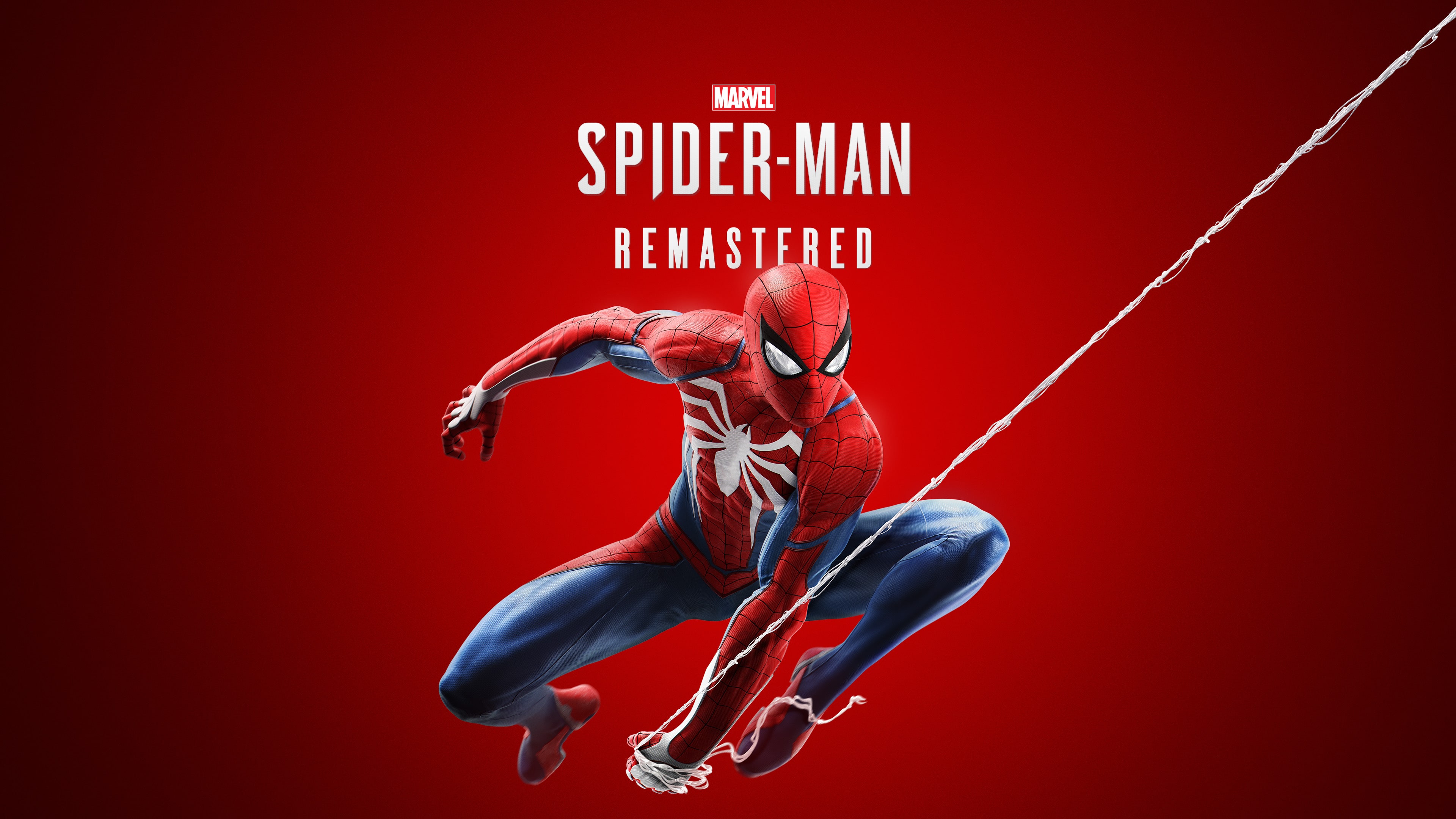
What Makes A Videogame Remake A Remake?
User Taged | Gaming, Graphics, Entertainment
Bethel Mapasure
Remakes vs. Remasters: What Defines Them?
A popular Facebook page, TheGamer, recently ignited a discussion on what makes a video game remake different from a remaster. The conversation gained traction, with hundreds of gamers weighing in, offering varying opinions, and debating definitions. One notable example was Oblivion Remake, which became a reference point in the discussion. This dialogue inspired me to explore the topic further.
The Rise of Remaking Games
The trend of game remakes and remasters took off prominently with the PlayStation 4 Pro and Xbox One X, upgraded versions of their base consoles. These machines introduced higher graphical fidelity, improved sound quality, and additional functionality, demanding more intense games and media to take advantage of their capabilities. Designed for graphics enthusiasts and PC gamers, these consoles aimed to bridge the gap between console gaming and high-end PC experiences, pushing developers to create visually stunning, performance-heavy games.
However, attributing the rise of remasters and remakes solely to the advent of enhanced consoles would be misleading—it was merely one of several factors. Another key influence was technological progress. As the gaming industry continued receiving funding and growth, developers anticipated long-term advancements in graphical processing power. This resulted in a shift toward scalable game development, where titles could later be modified or upgraded to fit contemporary standards.
At this stage, computer graphics evolved at such a rapid pace that games could undergo significant visual improvements in just a few years. A striking example is Need for Speed: Most Wanted 2012, which, compared to its 2005 counterpart, looks like a game made two decades apart in terms of visual fidelity.
Why Gamers Love Remakes and Remasters
Another significant contributor is the general love for enhanced versions from players. Some remakes and remasters even manage to surpass their original versions in commercial success. Here are some prime examples:
-
Resident Evil 2 Remake sold over 15 million copies—three times more than the original’s 5 million.
-
Final Fantasy VII Remake exceeded 20 million sales, doubling the original Final Fantasy VII (1997), which sold 10 million copies.
-
Other noteworthy titles include The Last of Us, Shadow of the Colossus, and Demon’s Souls, which thrived in their revitalized formats.
With the ongoing release of more powerful gaming consoles, demand for remakes and remasters continues to surge. Some recent remastered titles, such as Days Gone Remastered, were developed exclusively for PlayStation 5, showcasing how certain games have moved beyond their original console generations.
What Defines a Remake vs. a Remaster?
A major reason the terms remake and remaster are often confused is that they both rely on previously released content. A game must have an existing version before it can be remastered or remade. This leads to blurred lines, as some argue that a remaster could still qualify as a remake. While this perspective has merit, the distinction remains important.
To clarify, let's first examine how these terms are understood outside of gaming. Historically, both words were widely used in the film and television industry, which, like gaming, falls under entertainment media. According to the Oxford Dictionary:
-
Remaster (verb): To create a new master copy of a recording, typically to improve sound quality.
-
Remake (noun): A film or music piece that has been re-recorded or re-filmed. (Verb: To make something again or differently.)
How Do These Terms Apply to Gaming?
When adapted to video games, these terms evolve slightly:
-
Remaster: This involves enhancing an existing game’s visuals, textures, lighting, and resolution while preserving core gameplay mechanics. It remains the same game but polished for modern hardware.
-
Remake: A remake is a complete rebuild of a game from the ground up, often featuring new graphics, updated gameplay mechanics, and even story alterations. It’s a fresh experience rather than just an enhancement.
Some might still argue that a remake can be considered a remaster in certain cases, and that’s understandable. But here’s the key distinction:
Remakes and remasters both recreate older games using modern technology. The difference lies in whether the developers work within the existing game framework or completely rebuild the software.
Examples: What Makes a Game a Remake or Remaster?
Take Mortal Kombat, a franchise that evolved from pixelated sprites to lifelike 3D characters. While these weren’t traditional remakes or remasters, they illustrate how technology shapes gaming.
Now, let’s consider Tekken 3. Imagine rebuilding it in Unreal Engine 5, maximizing hyper-realistic graphics, yet keeping its original characters, story, mechanics, and challenges intact. Would that be a remake or remaster?
Many might say both, but that wouldn’t be correct. It would be a remake, not a remaster. Migrating Tekken 3 to Unreal Engine 5 fundamentally alters its software architecture, creating an entirely new product. Even if graphics were the only major improvement, it would still be a remake, as it’s being rebuilt on a different foundation.
Conversely, suppose the original Tekken 3 development team was tasked with enhancing the game using modern hardware, ensuring higher resolutions, improved animations, and refined textures, all while retaining the original game engine, models, and mechanics. This would be a remaster.
Pros and Cons of Remasters vs. Remakes
Remasters
Pros:
-
Often outsell their original versions.
-
Preserve nostalgia while upgrading visuals and performance.
-
Serve as definitive editions of classic games.
Cons:
-
Expensive and challenging due to outdated technology.
-
Increasingly difficult to produce as gaming hardware advances.
Remakes
Pros:
-
Sometimes cheaper to produce due to modern development tools like Unreal Engine, Unity, and CryEngine.
-
Benefit from open-source assets, speeding up development.
Cons:
-
Risk alienating players who prefer the original experience.
-
Poorly executed remakes can damage a franchise’s reputation.
Important Considerations
-
Enhanced Versions ≠ Remasters/Remakes: Titles labeled "enhanced for Xbox One X" aren’t remakes or remasters. These enhancements mainly adjust settings like resolution and frame rate, similar to PC gaming configurations.
-
Original Hardware Compatibility: Remasters and remakes rarely run on their original console generations due to hardware limitations. For example, Days Gone Remastered was launched exclusively for PlayStation 5, as older consoles wouldn’t support its technical demands.
Final Thoughts
At the core, remakes and remasters may seem similar, but they follow entirely different development paths. Each has its own set of challenges, advantages, and limitations. One thing remains constant—both have played a significant role in shaping the gaming industry, balancing nostalgia and innovation to meet evolving expectations.
To dive deeper into the conversation, check out the original Facebook post referenced at the beginning of this article.