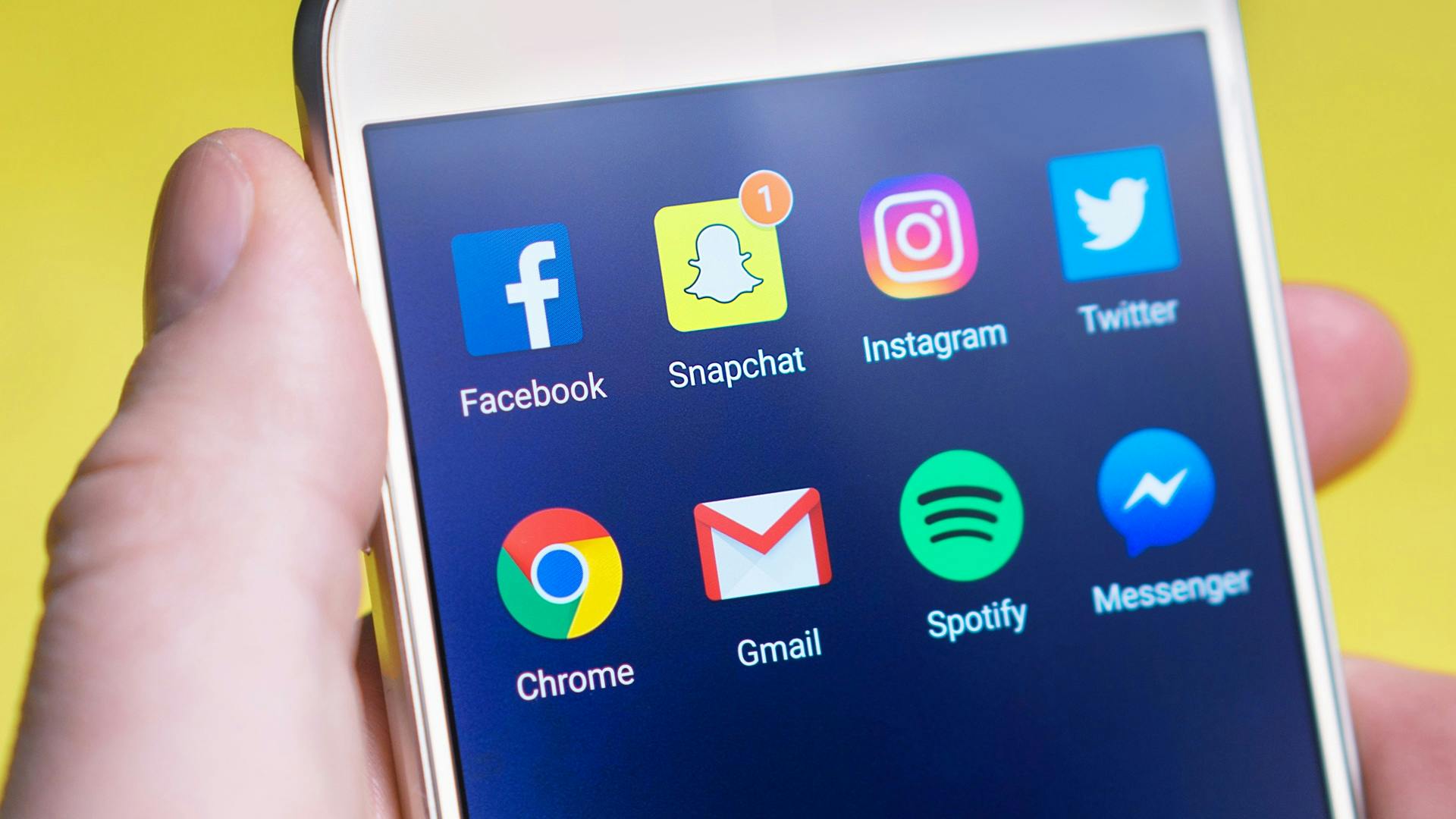
The Death Of Togetherness: How Social Media Killed The Social.
User Taged | Social Media, Trends, Technology
Bethel Mapasure
They were interested in killing our social life and togetherness, to the point that they named the "anti-social media" as "social media." — The secrets of our "new" way of getting together.
If someone says we are getting together while we're in a group of 135,000 people, none of whom we know or have met, are we really getting together? There are randomized ages, genders, nationalities, religions, and more. Yes, getting together is supposed to be about knowing our differences and avoiding falling apart. But can it be done through text? "I'm fine" sounds okay in a message, but it could mean the opposite in person. So, what makes us think that it's only "social media" that can cater to our social wellness?
It's them — and you know them. They killed our evening meetups and ravaged our love of seeing each other. They made us think that only media can approve our social lives.
I've had to quit social groups and pages because of the fake unity they always depict. "We are a family of 300k people, and we are here for each other." What does it mean to be there for each other? Is it liking a post? Commenting "nice bedsheets" on a selfie? Admiring how fast someone texts back or how often they contribute to a group? It's becoming impossible to tell whether someone is a friend or foe. Worse still, no one seems to care anymore. It's even worse that the elderly — experts in real social connection — are joining the "new era." And when they try to warn us, we ignore them and call them "medieval." We no longer have time for passion — everything is done quickly. A new car used to be an achievement that brought friends and family together to celebrate. But now it's just tap tap tap, upload, "check out my new electric," and bam — that's it. It feels so normal now that driving it to show friends feels like a waste of time. But what really happened?
COVID-19 may have contributed to the rise in social media usage, with major platforms reporting a 25–50% increase, and newer platforms reporting even more. But that's not the root. What even caused the introduction and popularity of something that rose by 25%?
Phones are to blame — but that was just the ultimate goal. Media devices like the iPod were major replacements for our social lives. But they were just advancements, weren't they? They also replaced other devices like cassettes. And we didn’t stop there — cassettes replaced stage performances, directly or through predecessors. That's where things began to get awkward. Some of our elders say they found lifelong partners and friends at live performances. Some even say nothing felt more "social" than being at those events. Even now, it feels great to be among others, doesn’t it?
As cassettes replaced these events, they grabbed people’s attention — including big companies that later invested in their advancement. "Mom, remind me to fix the broken windows" was replaced with task memos. Useful family meetings were replaced by notebooks. Shows were taken by cassettes, visits stolen by mail, late-night discussions by comic books, family info-sharing by magazines, and community meetings by newspapers. It's all out in the open, but no one seems to acknowledge the full picture. We're not limited to these disasters — even kids stopped talking to their parents when Mickey Mouse started showing on TV.
It's worth noting that these were advancements. Community meetings might not have been better than a newspaper sliding under your door, and Mom might forget about the window until morning — but my memo wouldn’t. Yes, let's agree these were good things. But they came with sacrifice.
As time passed and attention shifted, Mickey on TV got upgraded to color. Cassettes were a pain to collect, so they made the iPod. Newspapers became dominant — more convenient and better. Mail improved so anyone could hear from anyone. These events happened across different timelines, but they still happened. It became harder for those who resisted the media era to keep up with those who joined. So they were tempted — and just like that, 60% of people got lost in the media era. The remaining 40% were persistent and somehow knew the harm of participating.
It didn’t end there. It got worse. They sat down and said, "The iPod is becoming so popular, the notebooks, the newspapers, and all. The mail teams are falling short. We can't keep supporting them with just one thing." That was the introduction of mobile phones. The 40% quickly got overpowered and began to believe these were essentials — and they were, again, right.
You know what happened next: Facebook. It came along with the launch of the iPhone. Then Instagram — basically released for a specific iPhone. It all began there. We had already lost our social lives before we knew it. "I don’t have to go show Grandma my grades. I can just email her? What an era!" A lot more happened. Laptops had already been made, but they became even more social. Magazines became obsolete — anyone could find them on their phones. The internet became a massive magazine of diverse content. You’d agree — nothing got popular faster than the internet. Data now doubles every three years. The information is all there for everyone.
It’s all better — I mean the phone. It reminds me to update my articles. I can snooze reminders, reschedule them, even make AI do the work. Mom might get a little distressed if you ask her to remind you later after she’s reminded you five times, right? But the phone can snooze a billion times. And that’s a form of killing social. It’s social to ask Mom to remind you — she might be suffering from the flu, and you could hear it in her voice and ask about it. Newspapers are now online. A guy next door could just post, "We’re having sewer problems in Harare." But you're his neighbor — a community meeting could have helped. When you get to a meeting early, you find Bob there, right? What do you do? "I heard you sprained your ankle while working — how is it now?" That’s social. What’s more social than that?
It all goes in loops. I heard they’re making smart glasses that remove the need for touch — controllable with the mind. One day, we’ll lose the smartphone to these. The "new social" that killed the "original social" might be killed by another social. And that’s where everything is going. It was all these smart devices that killed it — smart homes, phones, and more. They did the best possible thing to replace our most important thing: social connection. I never encourage anyone to lose their phones, but I do encourage everyone to aim for a 50–50 balance with real social life. I even challenge them to go deeper — because the fewer the cellphones, the better the life.